Good news for Bangladesh RMG as Western brands reopen business in Russia

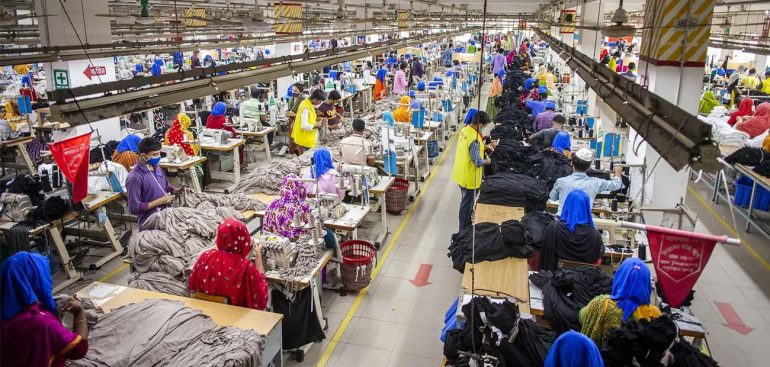
Western brands reopening businesses under new names in Russian markets have spelled optimism and opportunities for Bangladesh apparel exporters.

Many foreign brands are importing goods for the Russian market through other countries – Turkey, UAE and Singapore – industry insiders said.

According to a Swiss study, despite widespread outrage over Moscow’s war in Ukraine, few Western companies deserted the country, the AFP reports.

The Business Standard Google News Keep updated, follow The Business Standard’s Google news channel
Talking with The Business Standard, a leading fabrics manufacturing company’s executive director seeking anonymity, said, “They have business with two Russian brands – Gloria Jeans and O’Stin [Austin] – for a long time, which is continuing till now.”

Brands like ZZX, H&M and Inditex have launched new business offices in Dubai under new names to circumvent the political pressure.

“Those new companies are also doing business with us. They source fabrics from and import goods through third countries like Turkey. They have been doing business through third countries for a long time, but currently it has become very strict due to the EU’s position against Russia,” the top textile official added.

In March 2022, several Russian banks were excluded from the SWIFT (Society for Worldwide Interbank Financial Telecommunication) system, which made it difficult for Russian exporters to secure payments.

On the other hand, major retailers and brands announced that they were leaving the Russian market.

As a result, Bangladeshi exporters face difficulties getting their payments on time. Some exporters received their payments from third countries like Turkey or in Chinese currency through other third countries.

According to the Export Promotion Bureau (EPB), apparel exports to Turkey and the United Arab Emirates increased to $117.43 million with over 83% growth and $155.35 million with over 22.28% growth respectively between July –December in FY23 over the same period last year.

Bangladesh exported $665.32 million worth of goods to Russia in FY21, of which, $607 million came from apparel and textile exports, according to EPB.

However, the apparel export value fell by 47.06% to $180.64 million by July –December in FY23 compared to the same period last year.

Md Shahidul Islam, managing director of Rupa Group, which had business in the Russian market till last year, said, “Currently, we have no business in this market. Due to the ongoing war, it has become quite risky.

“My buyers had paid all dues, which was halted due to this war,” added Shahidul.

Before the war, the company exported half a million dollars worth of sweaters to Russia each month.

Young 4 Ever Textiles Ltd Managing Director Rajiv Chowdhury said, “Currently, I have no business in this market even though alternative routes are available.”

There are some new routes open to doing business with Russia, he said, adding, “I know some of our exporters have continued their business through Dubai and Singapore.”

Despite having interest from buyers, Rajiv thinks that doing business through an alternative route will be risky for him, as he received two-and-a-half months of delayed payments when the Russia-Ukraine war broke in February last year.

Bangladesh Textile Mills Association President Mohammad Ali Khokon said, “Those Russian chain stores that shut down due to the war are reopening under different brand names. Demand is not falling, which is good news as we want our fabrics and apparel to be sold.

“We are now seeing that the global political situation is slowly improving. So even though 2023 is not starting out well, we believe it will get better by the end of the year,” he added.

Only 8.5% of Western companies left Russia

Researchers at the University of St Gallen and the IMD Institute in Lausanne have delved into how many companies based in the European Union (EU) and in G7 countries have divested from Russia since its full-scale invasion of Ukraine began last February.

Their findings reveal “a very limited retreat of EU and G7 firms from Russia, [and] challenge the narrative that there is a vast exodus of Western firms leaving the market,” said the St Gallen University in a statement, AFP reports.

“In effect, many firms headquartered in these nations have resisted pressures from governments, the media, and NGOs to leave Russia since the invasion of Ukraine.”

The study published last month by the online Social Science Research Network (SSRN) — a publisher of “pre-print” studies not subjected to scientific peer review — showed that less than 10% of EU and G7 companies with Russian subsidiaries had divested them.

When Moscow launched its invasion, 1,404 companies based in the EU and the G7 counted a total of 2,405 subsidiaries that were active in Russia, the study showed.

Only 120, or about 8.5% of those companies, by late November, had divested at least one subsidiary in Russia, study authors Niccolo Pisani and Simon Evenett found.

There were more confirmed exits by companies headquartered in the United States than those based in Europe and Japan.

But even with the United States, fewer than 18% of US subsidiaries operating in Russia had been completely divested since the invasion began, the study showed.

By contrast, 15% of Japanese firms and only 8.3% of EU firms had divested from Russia, it said.

Of those who have left their Russian subsidiaries in place, 19.5% are German and 12.4% are US-owned, according to the study.

The research also showed that the exiting Western firms only accounted for 6.5% of the total profit before tax of EU and G7 firms with active commercial operations in Russia.

They, meanwhile, accounted for 15.3% of the total number of employees working for such firms in Russia.

This indicates that, on average, the exiting firms tended to have lower profitability and larger workforces than the firms that remain in Russia, the study said.

These findings, the university statement said, “call into question the willingness of Western firms to decouple from economies their governments now deem to be geopolitical rivals.”
Bangladesh’s Garment Industry: Future growth in a changing world

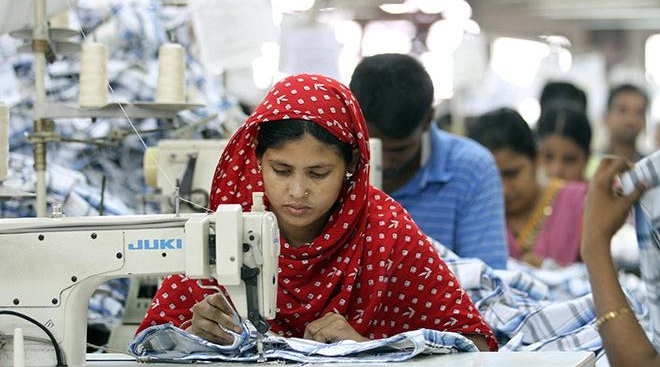
Bangladesh has emerged as a significant player in the global garment industry, securing its position as the second-largest garment exporter worldwide. The country’s remarkable journey from economic struggles to becoming a key player in the textile and apparel sector is a testament to its resilience and adaptability.

The roots of Bangladesh’s garment industry can be traced back to the 1970s, a period when the country was grappling with the aftermath of its Liberation War and the challenges of establishing a stable economy. In the early stages, the industry was primarily focused on meeting domestic demand, with limited international exposure. However, a series of economic reforms and strategic decisions paved the way for Bangladesh to enter the global market.

The economic reforms initiated in the 1980s played a pivotal role in shaping Bangladesh’s garment industry. The government, recognising the potential of the sector, implemented policies aimed at attracting foreign investment and fostering a conducive business environment. Incentives such as tax breaks, the duty-free import of machinery, and streamlined export procedures helped create a favourable climate for the growth of the garment industry.

Labour force

One of the key factors that propelled Bangladesh’s garment industry onto the global stage is its abundant and cost-effective labour force. The country’s population density and low wage rates attracted international apparel brands and manufacturers seeking to optimise production costs. This competitive advantage allowed Bangladesh to offer affordable clothing to consumers worldwide, fostering sustained demand for its products.

Participation in international trade agreements and preferential market access further boosted Bangladesh’s garment exports. Agreements like the Generalized System of Preferences (GSP) provided the country with tariff advantages in key markets, facilitating increased export volumes. The strategic positioning of Bangladesh in proximity to major consumer markets, such as Europe and North America, also contributed to its accessibility to global supply chains.

While the growth of Bangladesh’s garment industry has been remarkable, it has not been without challenges. The sector has faced criticism and scrutiny over issues such as labour rights, workplace safety, and environmental sustainability.

The rapid expansion of the garment industry in Bangladesh has raised concerns about working conditions and labour rights. Incidents such as the Rana Plaza collapse in 2013, which claimed the lives of over 1,000 garment workers, highlighted the need for improved safety standards and worker welfare. International pressure and advocacy have since led to increased awareness and efforts to address these issues.

In response to growing environmental awareness, there is a notable shift towards sustainable practices in the garment industry. VISUAL: STAR
Environmental sustainability

The textile and apparel industry is notorious for its environmental impact, and Bangladesh’s garment sector is no exception. The excessive use of water, chemicals, and energy in the production process has raised environmental concerns. Efforts are being made to adopt sustainable practices, with some manufacturers investing in eco-friendly technologies and processes to reduce their carbon footprint.

Global economic uncertainties

The garment industry is sensitive to global economic fluctuations and uncertainties. External factors such as economic recessions, trade tensions, and the impact of unforeseen events such as the Covid-19 pandemic can disrupt supply chains and affect demand for apparel. Navigating through these uncertainties requires resilience and adaptability.

Future prospects for growth

Despite the challenges, Bangladesh’s garment industry continues to exhibit resilience and adaptability. The sector’s prospects for future growth are shaped by a combination of factors, including technological advancements, sustainability initiatives, and changing consumer preferences.

The adoption of Industry 4.0 technologies is poised to revolutionise the garment manufacturing process in Bangladesh. Automation, artificial intelligence, and data analytics are being integrated into production systems to enhance efficiency, reduce costs, and improve quality. Embracing these technological advancements will not only boost productivity but also position Bangladesh as a competitive player in the evolving landscape of smart manufacturing.

The demand for environmentally friendly and socially responsible fashion is on the rise, and Bangladesh’s garment industry can tap into this trend by aligning its practices with consumer expectations. VISUAL: STAR
Sustainable practices and ethical manufacturing

In response to growing environmental awareness, there is a notable shift towards sustainable practices in the garment industry. Bangladesh has started to embrace eco-friendly initiatives, such as using recycled materials, reducing water consumption, and implementing waste management strategies. Adopting fairer manufacturing practices is not only an ethical imperative but also a strategic move to meet the demands of environmentally conscious consumers and comply with international standards.

The environmental impact of the garment industry is a global concern, and sustainable practices are crucial in mitigating this impact. Ethical manufacturing entails adopting eco-friendly production processes, reducing water and energy consumption, and minimising waste. By embracing sustainable practices, Bangladesh’s garment industry can contribute to global efforts to address climate change and environmental degradation, showcasing a commitment to responsible business practices.

Consumer preferences are also shifting towards sustainable and ethically produced products. The demand for environmentally friendly and socially responsible fashion is on the rise, and Bangladesh’s garment industry can tap into this trend by aligning its practices with consumer expectations. Sustainable and ethical manufacturing not only attracts conscious consumers but also opens up new market opportunities and strengthens brand loyalty.

Compliance with international standards

Many global retailers and consumers scrutinise the practices of suppliers, and compliance with internationally recognised standards ensures market access and fosters trust. Bangladesh’s garment industry, by prioritising sustainability and ethics, can position itself as a responsible participant in the global supply chain.

In fact, sustainable practices and ethical manufacturing contribute to the resilience of Bangladesh’s garment industry. Addressing labour rights issues and ensuring workplace safety can prevent disruptions due to strikes or accidents. Environmentally sustainable practices reduce exposure to regulatory risks and enhance the industry’s adaptability in the face of changing environmental regulations and consumer expectations.

The sector’s prospects for future growth are shaped by a combination of factors, including technological advancements, sustainability initiatives, and changing consumer preferences. ILLUSTRATION: AFIA JAHIN
Innovation and technological advancements

Embracing sustainability often involves adopting innovative technologies and processes. Sustainable practices can drive technological advancements in the industry, enhancing efficiency and reducing environmental impact. By investing in research and development of eco-friendly materials and production methods, Bangladesh’s garment industry can position itself as a hub for innovation and sustainable manufacturing.

Diversification and value addition

To mitigate risks associated with overreliance on a single sector, Bangladesh’s garment industry is exploring diversification and value addition. Rather than solely focusing on low-cost mass production, manufacturers are venturing into high-value segments, including customised and niche products. This strategic shift allows Bangladesh to cater to diverse market demands and create a more sustainable and resilient industry.

Bangladesh’s garment industry has historically been focused on mass production of basic apparel items. Diversification involves expanding product lines to include a wider array of garments, from high-end fashion to niche markets such as sportswear, athleisure, and sustainable fashion. This strategy helps mitigate risks associated with dependence on a single market or product, making the industry more resilient to economic fluctuations and shifts in consumer preferences.

By diversifying product offerings, Bangladesh’s garment industry can tap into niche markets that offer higher profit margins and sustained demand. Customised and specialised garments catered to specific consumer segments can create a competitive edge, allowing manufacturers to differentiate themselves in a crowded global marketplace.

Consumer preferences are dynamic, driven by factors such as sustainability, innovation, and individuality. Diversification enables Bangladesh’s garment industry to adapt to these changing preferences. By offering a variety of products that align with diverse consumer needs, manufacturers can stay ahead of trends and maintain relevance in the highly competitive fashion landscape.

E-commerce and digital transformation

The rise of e-commerce and digital platforms has transformed the retail landscape, presenting new opportunities for the garment industry. Bangladesh’s manufacturers are increasingly embracing digital transformation, from online sales channels to digital design and production processes. This shift not only facilitates direct access to consumers but also enables greater agility in responding to changing market trends.

E-commerce has dismantled geographical barriers, allowing Bangladesh’s garment industry to reach a global audience with unprecedented ease. Online platforms provide manufacturers and exporters the opportunity to showcase their products to customers around the world, enabling them to tap into previously untapped markets. This newfound global reach has become instrumental in reducing dependence on traditional brick-and-mortar retail channels.

E-commerce platforms empower Bangladesh’s garment industry to adopt a direct-to-consumer (DTC) model, eliminating intermediaries and establishing a more direct connection with end consumers. This shift allows manufacturers to gain better control over branding, pricing, and customer relationships. By cutting out middlemen, businesses can enhance profit margins and adapt more swiftly to changing consumer preferences.

Online presence through e-commerce platforms enhances the visibility and branding of Bangladesh’s garment industry. Through digital marketing strategies, manufacturers can showcase their products to a vast and diverse audience. Social media, search engine optimisation, and other online marketing tools enable companies to build a strong brand image, fostering consumer trust and loyalty.

E-commerce facilitates real-time communication and collaboration across the entire supply chain, from manufacturers to retailers and end consumers. This enhanced connectivity optimises inventory management, reduces lead times, and minimises the risk of overstock or stockouts. The efficient flow of information ensures that products are delivered to consumers in a timely manner, contributing to customer satisfaction and loyalty.

The digital nature of e-commerce transactions generates vast amount of data that can be leveraged for insightful analytics. Bangladesh’s garment industry can use this data to understand consumer behaviour, preferences, and market trends. By analysing this information, businesses can make data-driven decisions, refine their product offerings, and tailor marketing strategies to better align with the needs and desires of their target audience.

E-commerce platforms enable the garment industry to offer customised and personalised products, catering to individual preferences. Through user-friendly interfaces, consumers can personalise garment specifications, choose colours, and select sizes according to their preferences. This level of customisation enhances the overall shopping experience, fostering a sense of individuality and exclusivity.

Challenges

Despite the positives, challenges lie ahead for Bangladesh’s garment industry. The first of these is sustainability. While this represents an opportunity in some ways, it also is a threat. We are seeing global concerns about clothing over production and mass production centres such as Bangladesh could find themselves in the cross-hairs of these discussions.

There are also issues around climate change. Many buyers from Bangladesh now require their manufacturers to meet strict climate targets around energy use. Can garment makers meet these requirements? To do this, a coordinated approach is needed involving industry, government, and the national energy infrastructure. This issue will become parament over the next five years as buyers seek to hit 2030 climate targets.

South Korea Exports from Bangladesh
Read more
Exports to South Korea tripled in 5 years on duty benefits
Competition is also a challenge. Fast growing rivals such as Vietnam and Turkey are capable of stealing market share from Bangladesh. The latter has the benefit of close proximity to Western customers. The former is ahead of Bangladesh in terms of its technical textile capabilities. Africa is also viewed by many as the next big thing in textile production, although progress in countries such as Ethiopia has been stop-start over the years.

Likewise, talk of near-shoring is an issue Bangladesh should keep a close eye on. There have for many years been discussions around textile near-shoring in countries such as the US and the UK. The benefits of this include speed to market and a reduced environmental footprint.

Near-shoring has yet to take off in any significant form due to numerous reasons—labour costs in the West, lack of skills base and so on—but it cannot be ruled out as a medium- to long-term threat to domestic garment makers.

Bangladesh’s garment industry has come a long way since its inception, evolving into a key player on the global stage. The historical development of the sector reflects the resilience of the country in overcoming economic challenges and leveraging its strengths. As the industry faces ongoing challenges related to labour rights, environmental sustainability, and global economic uncertainties, its future growth prospects hinge on embracing technological advancements, sustainable practices, and diversification strategies.

By addressing the challenges and capitalising on emerging opportunities, Bangladesh’s garment industry can navigate the complexities of a changing world. As the country continues to evolve, the industry’s ability to balance economic growth with social and environmental responsibility will be crucial in shaping its role in the global garment market.